Buying fleet vehicles at auction can be a smart way to source work-ready cars, trucks, vans, and SUVs for business or resale. The key is knowing how to evaluate the listing, understand the source of the vehicle, and bid with a clear limit.
If you are new to the process, start by learning how fleet sales work, what inspection details matter most, and what happens after you win. Jeff Martin Auctioneers offers a transparent marketplace where buyers can review current opportunities, ask questions, and move forward with more confidence.
What counts as a fleet vehicle and why buyers target them
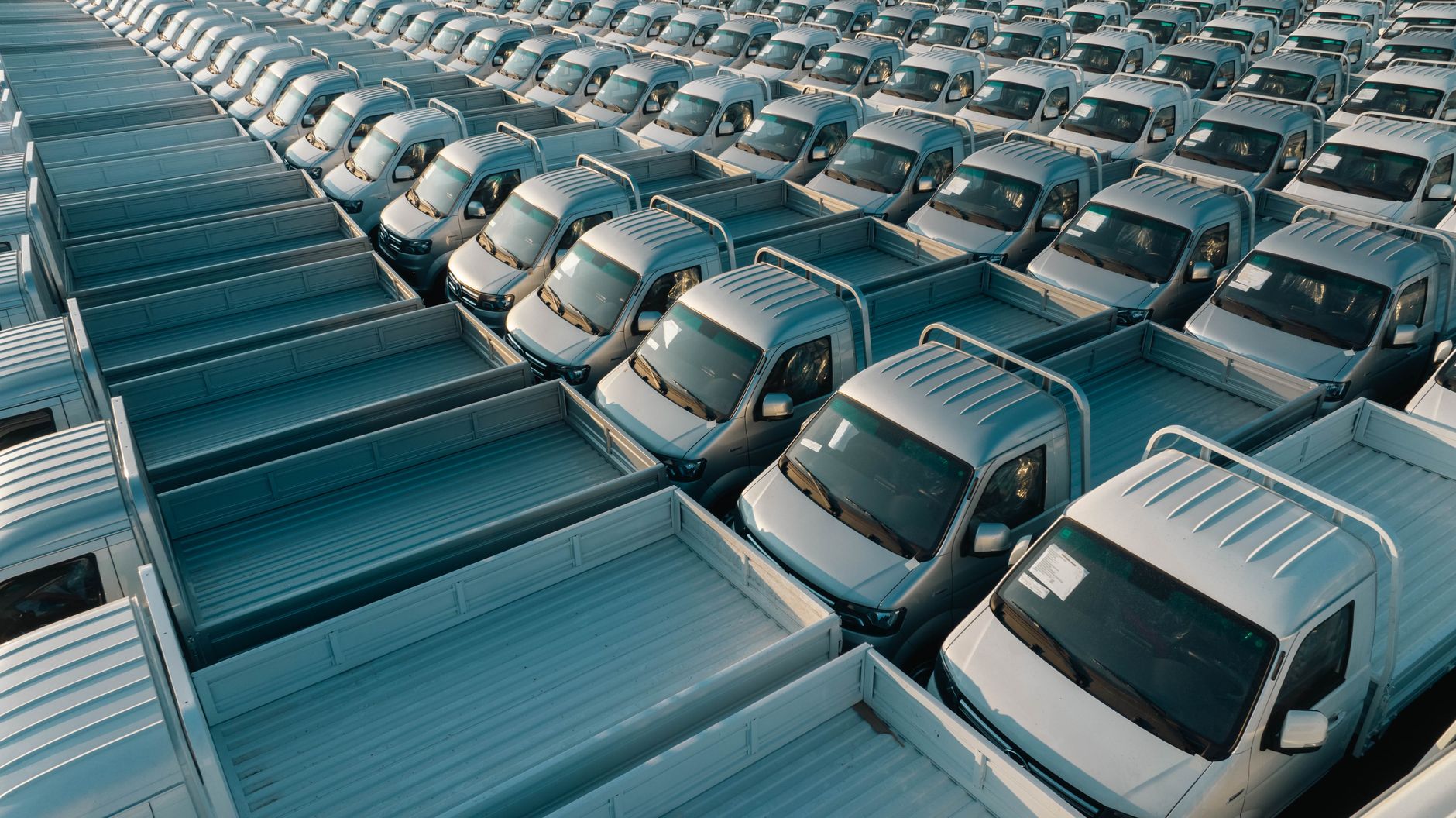
Fleet vehicles are units that have typically been owned and operated by a company, government agency, rental operator, utility provider, or other commercial organization. They may include sedans, pickups, cargo vans, SUVs, light-duty trucks, and specialty vehicles used for daily business operations.
Buyers often target fleet vehicles because they can offer predictable service histories, consistent maintenance schedules, and a lower-risk path to sourcing inventory than buying completely unknown used vehicles. That said, the condition still varies widely, so the best approach is to evaluate each listing on its own merits.
For a broader look at what is available across the marketplace, you can also explore current fleet vehicle inventory and compare the kinds of units that regularly come through auction.
Where fleet vehicles for sale come from at auction
Fleet vehicles for sale can come from a wide range of sources, and the source often tells you as much as the listing itself. Utility trucks may show heavier wear than administrative sedans, while rental units may have higher mileage but more standardized upkeep. Government and municipality vehicles can also appear in the mix, often with straightforward documentation and defined service cycles.
Understanding the source helps you judge likely wear patterns, resale potential, and what types of repairs may be needed after purchase. If you are comparing buying options, it also helps to review how auctions handle different categories of vehicles. Our guide on the auction buying process step by step can help you understand the basics before you bid.
When you are ready to see live opportunities, check upcoming auction listings so you can plan ahead and watch for the fleet units that fit your needs.
- Company-owned service vehicles
- Rental and lease returns
- Government and municipal units
- Utility and contractor trucks
- Commercial vans and light-duty work vehicles
How to evaluate a fleet vehicle before bidding
The best time to protect your budget is before the auction starts. Review every available listing detail, then compare the photos, notes, and disclosures against your intended use. A vehicle that is perfect for parts or local service work may not be the right fit for retail resale or long-distance driving.
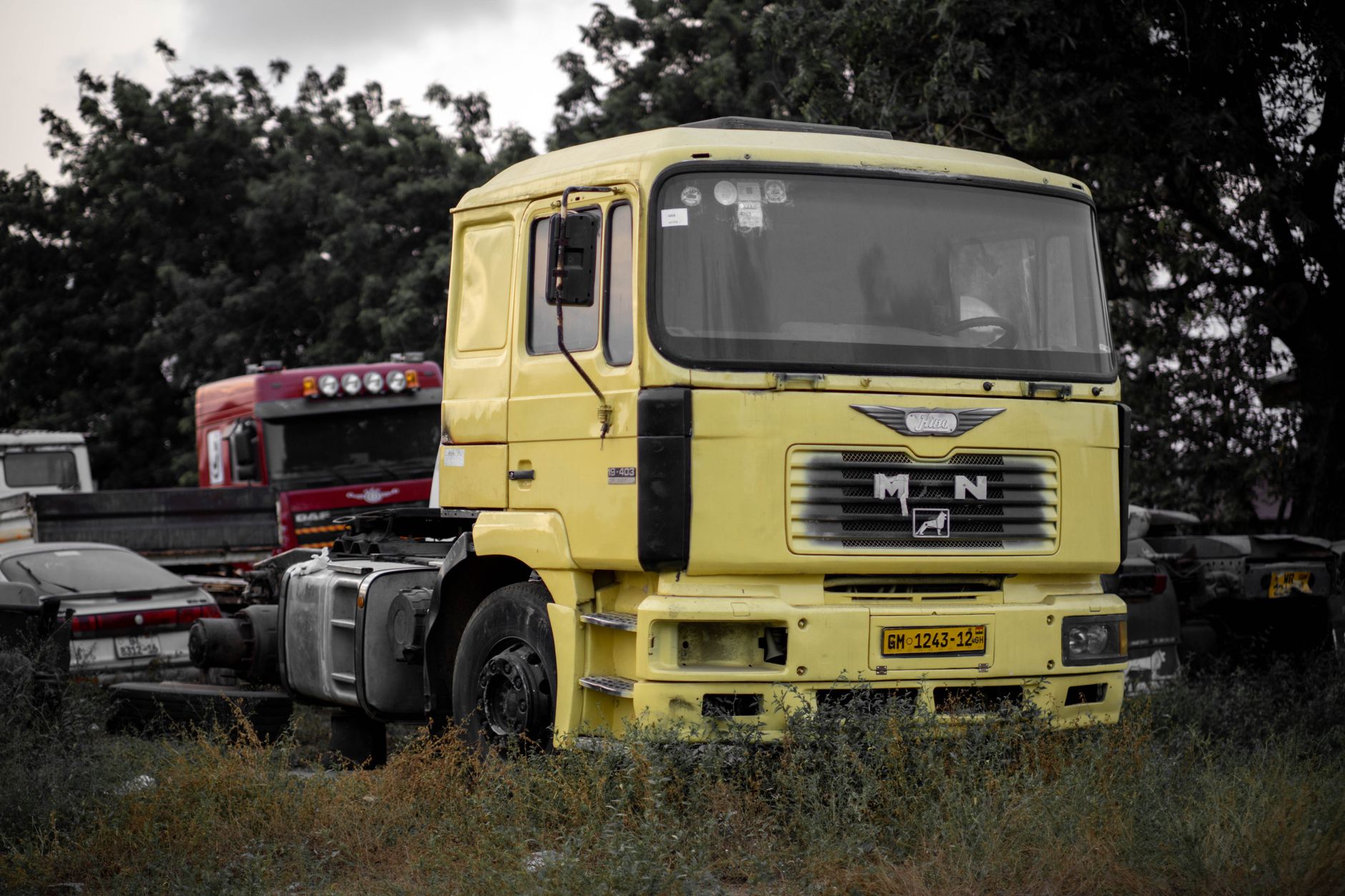
You should also think beyond the badge and the mileage. Ask how the unit was used, whether it was on a fixed maintenance schedule, and whether there are signs of hard commercial use such as body wear, interior damage, rust, or uneven tire wear. A careful review now can save time and money later.
If you want to understand the vehicle-buying process more fully, our related guide on what to check before auction day is a useful companion read.
How to set a smart bidding strategy for buying fleet vehicles
A smart bidding strategy starts with a total cost ceiling, not just a bid amount. Your budget should account for the hammer price, buyer fees, repairs, transportation, title work, and any downtime before the vehicle is ready for use. If you only plan around the winning bid, you may underprice the real cost of acquisition.
It helps to compare the auction opportunity with your end goal. If you are buying for retail resale, your margin needs to absorb reconditioning and market risk. If you are buying for a business fleet, your priority may be reliability and uptime rather than the lowest possible purchase price.
Set your limit before bidding starts and stick to it. Auction competition can move quickly, especially when buyers are targeting dependable commercial units. A disciplined cap keeps you focused on value instead of emotion.
- Set a maximum all-in purchase cost
- Build in fees, repairs, and transport
- Decide whether the vehicle is for resale or business use
- Avoid raising your limit in the final moments without a clear reason
After the sale: payment, pickup, and transportation planning
Winning the bid is only part of the process. You still need to complete payment on time, understand the release terms, and arrange pickup or transport according to the auction rules. Planning for this step before bidding helps you avoid storage fees or delays.
If the vehicle is not local to you, line up transportation in advance. Some buyers arrange open transport for standard units, while others prefer a tow or flatbed for non-running vehicles or units with mechanical concerns. Make sure your transport plan matches the vehicle’s condition and the auction timeline.
When you are ready to move from research to action, review current opportunities through scheduled auto auctions and use the available contact options to confirm logistics ahead of time.
Why buyers and sellers work with Jeff Martin Auctioneers
Jeff Martin Auctioneers supports a marketplace built for practical vehicle buying and selling. Buyers can review listings, ask informed questions, and move through the auction process with a clearer understanding of what they are considering. Sellers and consignors benefit from a trusted auction channel designed to connect inventory with serious buyers.
That matters in a fleet vehicle auction because transparency and coordination make a real difference. From listing details to post-sale logistics, the experience is easier when the platform is built to support commercial buyers who need dependable information and responsive service.
If you are ready to explore inventory, register, or ask about consignment opportunities, use the contact and auction pages to take the next step with Jeff Martin Auctioneers.
- Clear listing details help buyers make better decisions
- Commercial buyers can evaluate units with a more structured process
- Sellers gain access to an auction marketplace built for active inventory movement
- Support is available for registration, questions, and next steps
Frequently Asked Questions
Are fleet vehicles a good option for first-time auction buyers?
They can be, as long as you review the condition report, title status, and transport costs carefully. Fleet units often have more predictable use histories than some other auction vehicles, but each listing still needs to be evaluated on its own.
What should I budget beyond the winning bid?
Plan for buyer fees, title transfer costs, repairs, reconditioning, transportation, and any storage or timing-related charges. The true cost of buying fleet vehicles is usually higher than the hammer price alone.
Can I ask questions before I bid?
Yes. It is a good idea to ask about condition notes, paperwork, use history, and pickup requirements before bidding. Getting clarification early can help you bid with more confidence.