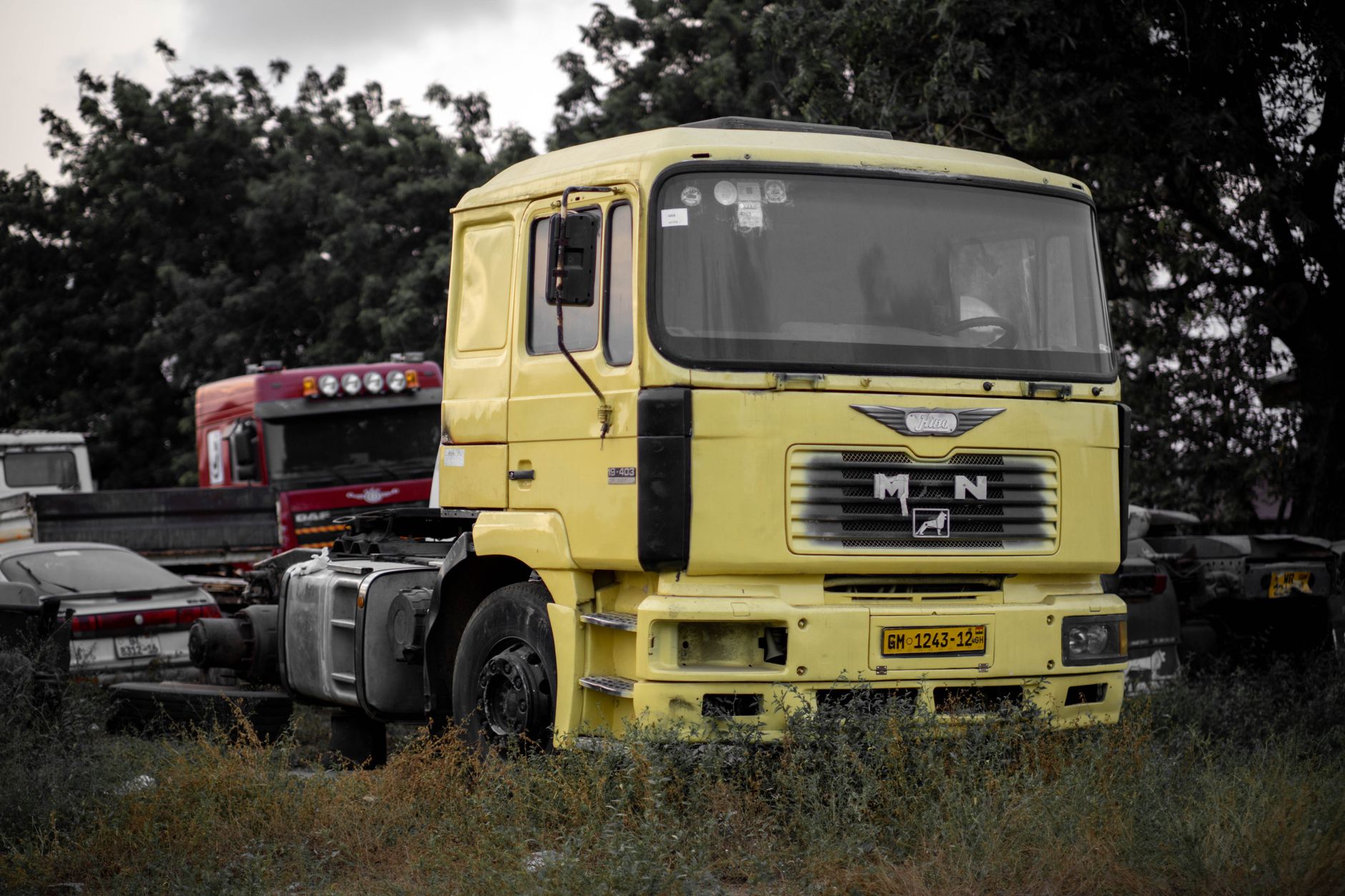


Used fleet vehicles for sale can be a smart fit for buyers who want predictable sourcing, service history, and commercial-use vehicles at auction. They also attract dealers and operators looking for practical inventory with clear market demand.
But not every ex fleet car is the same. The vehicle’s former use, mileage, upkeep, and turnover cycle all matter, which is why it helps to understand where these units come from before you bid.
What counts as a fleet vehicle?
A fleet vehicle is any car, truck, SUV, van, or commercial unit owned and operated by an organization rather than an individual. That can include company cars, service trucks, pool vehicles, delivery vans, rental units, and municipal vehicles.
When people search for used fleet vehicles for sale, they are usually looking for vehicles that spent most of their life in structured use. That can be an advantage because fleets are often managed on a schedule, but the tradeoff is that these vehicles may have higher mileage or more frequent daily use than a privately owned car.
Where used fleet vehicles for sale typically come from

Most fleet units enter the market after a replacement cycle, lease expiration, contract change, or asset reduction. That is why they often show up in auction channels: organizations need an efficient way to sell multiple vehicles at once and move inventory quickly.
If you are comparing options and want to understand the auction process more broadly, our guide on how fleet purchases work at auction is a useful next read. Buyers can also explore current opportunities through upcoming auction listings when they are ready to bid.
- Corporate fleet refreshes and lease turn-ins
- Government surplus and municipal replacements
- Utility, service, and field support vehicles
- Rental and commercial turnover units
Corporate fleets, service vehicles, and lease returns

Corporate fleet vehicles often come from companies that provide sales reps, managers, or technicians with assigned transportation. These vehicles may be serviced on a routine schedule and rotated out after a set mileage or age threshold.
Service vehicles and lease returns can also be appealing because their ownership history is usually easier to document than a random private sale. Even so, buyers should still inspect for signs of heavy commuting, stop-and-go driving, or cosmetic wear from day-to-day business use.
Government, municipal, and utility fleets
Government and municipal fleets can include patrol units, administrative cars, pickup trucks, utility vans, and specialized equipment carriers. These vehicles are often maintained on a structured schedule, but they may also have hard-use histories depending on the department and assignment.
Utility fleets can be especially interesting for commercial buyers because they may be well-equipped and built for durability. At the same time, ex fleet cars from public or utility use can show more wear in suspension, braking, idle time, and interior surfaces than mileage alone suggests.
- Watch for idle hours, not just odometer readings
- Check for upfit equipment removal or prior modifications
- Review body panels, undercarriage, and interior wear
- Confirm whether the vehicle was serviced in-house or by a vendor
Rental and commercial fleet turnover
Rental fleets tend to turn over quickly, which means buyers may find newer model years with moderate mileage. The upside is that these vehicles are often standardized and easy to compare. The downside is that rental use can mean many different drivers and variable treatment over short periods.
Commercial fleet sale units may have been used for deliveries, field service, or route work. That usage can create a predictable service record, but buyers should expect more wear on brakes, tires, seats, and cargo areas. If you are comparing options for a future purchase, our guide on how to buy a car at auction step by step can help you prepare before auction day.
What to expect when buying ex fleet cars
The biggest advantage of ex fleet cars is consistency. These vehicles are often sourced in volume, which can make them easier to compare on age, mileage, trim level, and use type. That is useful for dealers, but also for individual buyers who want a practical vehicle with a documented background.
Still, used fleet vehicles for sale are not guaranteed to be lightly worn. Many have higher mileage, more frequent stops, or prior commercial duty. Pricing often reflects that reality, so buyers should expect value to come from the vehicle’s overall profile rather than from low wear alone.
- Higher mileage is common
- Maintenance records may be better than average, but not always complete
- Cosmetic wear is normal on many fleet units
- Pricing often reflects use history and market demand, not just year and trim
How to evaluate condition, maintenance records, and mileage before bidding
Start with the service history. Look for oil changes, scheduled maintenance, repair notes, and any major work that could affect long-term ownership costs. Then compare that history against the mileage and the vehicle’s likely use pattern to see whether the numbers make sense.
Next, inspect for signs of heavy commercial use. Seats, steering wheels, pedals, cargo floors, suspension components, tires, and underbody condition can tell you more than the odometer alone. Buyers should also review the listing carefully, ask questions early, and confirm whether there are condition reports, photos, or notes available before bidding.
If you are planning to bid or consign, Jeff Martin Auctioneers offers a practical marketplace experience built around clear vehicle information and buyer support. You can review fleet-focused inventory or reach out with questions about buying, selling, or listing a vehicle.
- Match mileage to expected fleet use
- Look for maintenance intervals and repair history
- Review photos for wear, damage, and upfit changes
- Confirm title status, equipment condition, and auction terms before bidding
Frequently Asked Questions
Are used fleet vehicles better maintained than other used vehicles?
Often, yes, but not always. Many fleets follow scheduled maintenance programs, which can be a plus. However, buyers still need to review records and condition closely because fleet use can also mean higher mileage and more intensive daily wear.
Why do used fleet vehicles for sale often appear at auction?
Fleet owners usually need a fast, efficient way to rotate inventory, sell multiple units, or exit assets at scale. Auction marketplaces make that process more practical for sellers and give buyers access to a wide range of vehicles in one place.
What should I watch for on ex fleet cars?
Focus on maintenance history, mileage, interior wear, tire and brake condition, underbody condition, and any signs of heavy commercial use. The vehicle’s previous job matters as much as its age.
Can dealers and fleet operators use auction marketplaces too?
Yes. Dealers and fleet operators often use auction marketplaces to source inventory, manage turnover, or sell units efficiently. Jeff Martin Auctioneers supports both buying and consignment conversations for qualified marketplace users.