If you are asking whether is buying a car from an auction a good idea, the honest answer is: it can be, if you know what you are buying and how the auction process works. Auctions can offer access to a wide range of vehicles, but they also come with limits on inspection, condition certainty, and total cost.
This guide breaks down the pros and cons of buying a car at auction, the main auction car risks to watch for, and the checks that help you bid with more confidence. It is also a good starting point if you are comparing auction buying to traditional retail inventory, or deciding whether to register and bid through Jeff Martin Auctioneers.
When Buying at Auction Makes Sense
Buying at auction tends to make sense for buyers who are comfortable doing a little homework before bidding. If you want access to vehicles that may not show up in typical retail searches, auctions can be a practical place to look.
It is especially useful for dealers, fleet buyers, and experienced consumers who understand how to evaluate listings quickly. If you are still learning the process, you may want to read our guide on what you need before bidding and the article on who can attend a car auction before you register.
Pros of Buying a Car at Auction
One of the biggest advantages is price. Auction vehicles can sell below typical retail levels, which may create room for savings if you are flexible on make, model, or features. That said, savings are never guaranteed, and final cost depends on competition, fees, and the vehicle itself.
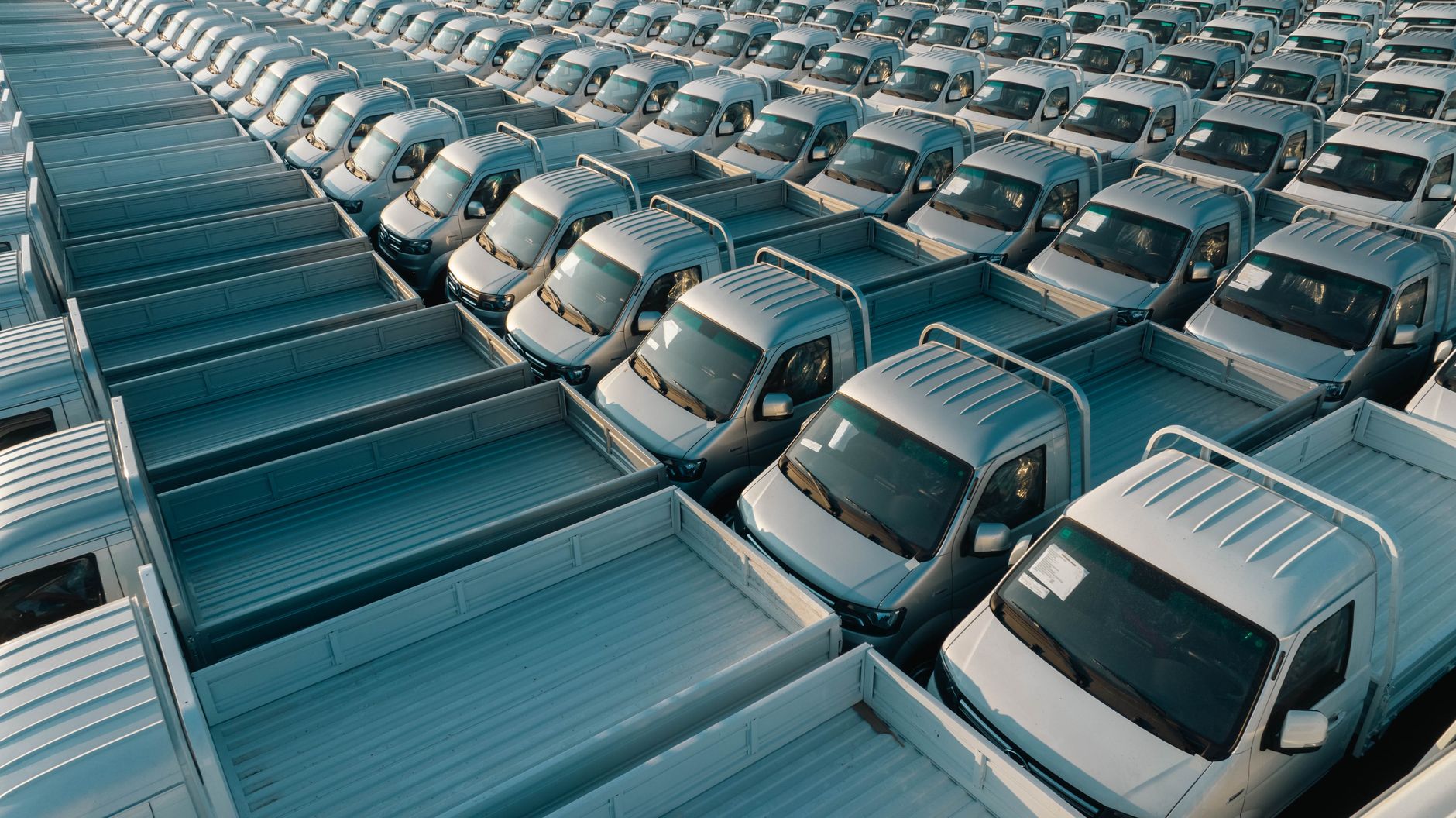
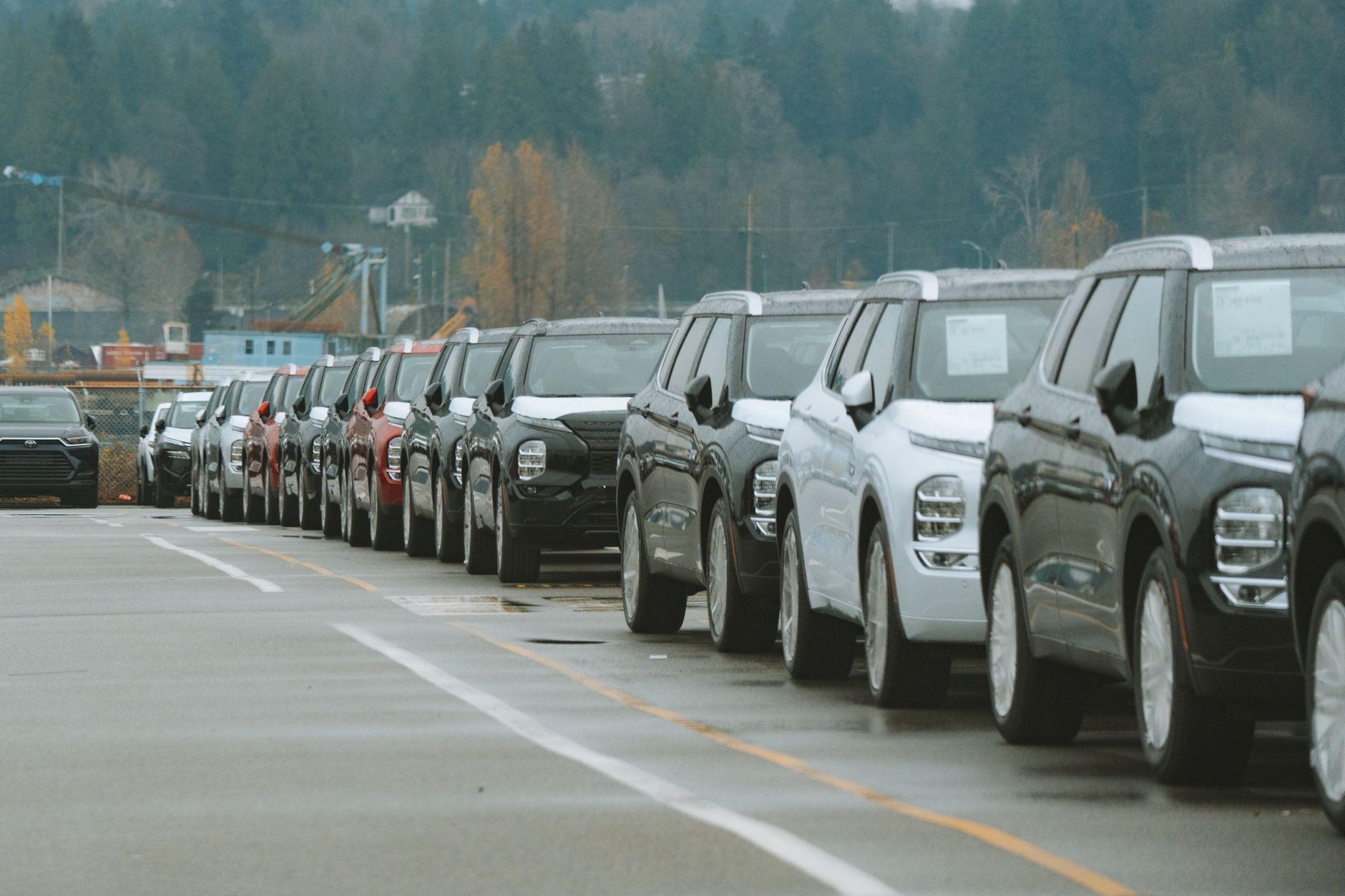
Another benefit is inventory access. Auctions can include used cars, trucks, SUVs, commercial units, fleet vehicles, repossessions, and government surplus vehicles. For buyers who are searching broadly, that range can be more useful than a standard lot with only a few choices.
If you want to see current inventory and understand how auction listings are presented, explore the available used vehicle listings and compare them with your own budget and needs.
- Potentially lower purchase prices
- Broader access to unique or hard-to-find inventory
- Fast buying process for prepared bidders
- Useful for dealers, fleets, and repeat buyers
Auction Car Risks You Should Know
The main auction car risks come from limited visibility. Many vehicles are sold with restricted inspection windows, so you may not have time for a deep mechanical review. Some units are sold as-is, which means the buyer accepts the condition at the time of sale.
Condition uncertainty is another major factor. Photos and descriptions help, but they do not replace a full shop inspection. A vehicle may look clean online and still need repairs, detailing, or parts replacement once it is in your hands.
Fees and logistics also affect the real price. Buyer premiums, administrative charges, title processing, transport, and reconditioning can all add to the final amount. If you are not planning for these costs, a low winning bid can become a higher-than-expected total purchase.
What to Check Before You Bid
Start with the title status. Confirm whether the vehicle has a clean title, salvage title, rebuildable paperwork, or any other condition that could affect registration or resale. If the title language is unclear, ask before bidding so there are no surprises after the sale.
Next, review the condition report closely. Look for notes on body damage, electrical issues, warning lights, missing keys, fluid leaks, tire wear, and odometer readings. If an inspection or preview is available, use it. Even a brief look can help you spot issues that matter to your budget.
You should also check financing and transportation early. Some auction purchases require faster payment than retail sales, and not every lender funds every vehicle type. Transportation matters too, especially if the unit is not roadworthy. Build those costs into your maximum bid before auction day.
For a step-by-step overview of the process itself, see our guide on how to buy a car at auction. That article is a helpful companion if you are preparing your first bid.
- Confirm title status and paperwork requirements
- Read the condition report carefully
- Look for inspection or preview opportunities
- Budget for buyer fees, transport, and repairs
- Check payment timing and financing options
How Jeff Martin Auctioneers Helps Buyers Bid with Confidence
Jeff Martin Auctioneers supports buyers with a marketplace approach that is built around clarity, access, and practical auction guidance. That means straightforward listings, a professional bidding process, and the kind of information buyers need to make decisions before the sale closes.
If you are considering your first auction purchase, the next step is usually bidder registration and reviewing active inventory. If you have a specific question about a vehicle, title, or auction process, the Jeff Martin Auctioneers team can help you understand the basics before you bid.
For buyers comparing options, it can also help to browse current inventory and ask how the sale process works for the type of vehicle you want. If you need direct support, use the contact page to connect with Jeff Martin Auctioneers and get guidance on registration, available units, or auction-day logistics.
Frequently Asked Questions
Is buying a car from an auction a good idea for first-time buyers?
It can be, but first-time buyers should be cautious. Auctions can offer good value, but they also require preparation, a clear budget, and comfort with limited inspection time. Reading the condition report and understanding all fees before bidding is essential.
What are the biggest risks when buying a car at auction?
The main risks are limited inspection, hidden mechanical or cosmetic issues, title complications, buyer fees, and transportation costs. Buyers should also be prepared for as-is sales, where the auction does not guarantee repairs or post-sale condition.
Can I finance an auction vehicle?
Sometimes, but not always in the same way as a retail purchase. Financing depends on the lender, the vehicle type, and the auction requirements. Buyers should confirm payment terms early so they know exactly how much time they have after a winning bid.
How do I know whether a vehicle is worth bidding on?
Start with the condition report, title status, mileage, and estimated repair costs. Then compare the total projected cost, including fees and transport, against your budget or resale goal. If the numbers still make sense, the vehicle may be a fit.