
If you have ever wondered what happens when a car goes to auction, the process is usually more structured than people expect. Vehicles enter the auction pipeline for different reasons, but the overall lifecycle is designed to move inventory efficiently while giving buyers a chance to review details, bid, and complete a purchase with clear terms.
For buyers, sellers, dealers, and fleet operators, understanding the car goes to auction process can make the experience much less intimidating. It also helps you know what to expect at each stage, from intake and inspection to cataloging, sale day, payment, and vehicle release. If you are comparing upcoming inventory, you can also review current auction listings and dates before you register.
Why vehicles end up at auction
Vehicles go to auction for several common reasons, and each one affects how the car is presented to bidders. Some are repossessed vehicles returned through lenders, while others come from fleet rotation, dealer trade-ins, government surplus, or private consignments. In many cases, the auction is simply the fastest and most organized way to move the vehicle to a new owner.
For buyers, that mix can create more variety than a traditional retail lot. For sellers, it offers a marketplace built around efficiency and reach. If you are evaluating whether to sell, our guide on listing a vehicle at auction step by step explains how consignments typically move from inquiry to sale.
The car goes to auction process from intake to listing
Once a vehicle arrives, the auction team records basic details such as year, make, model, mileage, VIN, and any available paperwork. This intake step helps create a reliable record before the vehicle is photographed, described, and prepared for bidding. The goal is to organize the information buyers need without overpromising about condition or outcome.
Next comes cataloging. Photos, seller notes, and condition information are added to the listing so bidders can review the vehicle before auction day. If you want a broader overview of the mechanics behind the sale itself, this breakdown of registration, bidding, and winning is a helpful companion read.
- Intake and VIN verification
- Basic vehicle data entry
- Photography and catalog creation
- Auction date assignment
- Buyer-facing listing preparation
Inspection, condition reports, and title verification
Inspection is one of the most important parts of the vehicle auction lifecycle because it helps separate documented facts from assumptions. Depending on the type of vehicle and how it was acquired, the inspection may note cosmetic wear, mechanical concerns, warning lights, or missing accessories. Buyers should always review the listing carefully and use the available details to decide whether the vehicle fits their needs.
Title verification is equally important. The auction team confirms what paperwork is available and whether any title work still needs to be completed after the sale. That transparency matters for both buyers and sellers, especially when a vehicle is coming from a lender, fleet, or consignor. If you are new to auction buying, this step-by-step buying guide can help you prepare before sale day.
How bidding, winning, and payment work
On auction day, registered bidders place bids according to the auction format. Some vehicles may be sold to the highest bidder, while others may have reserve pricing or seller conditions attached. The process is designed to stay transparent, with bidders seeing how the sale progresses in real time.
If you win, you are typically responsible for completing payment within the auction’s stated terms. That may include buyer’s premiums, taxes, or administrative charges depending on the sale structure. To understand how no-reserve and reserve setups can affect bidding behavior, you can also read what no reserve means in a car auction. For active buyers, the next step is often to review and register for live and upcoming auction opportunities.
- Register before bidding
- Review sale terms and buyer fees
- Place bids during the live or scheduled sale
- Complete payment by the deadline
- Receive release instructions once payment clears
What happens after the sale: pickup, transportation, and paperwork
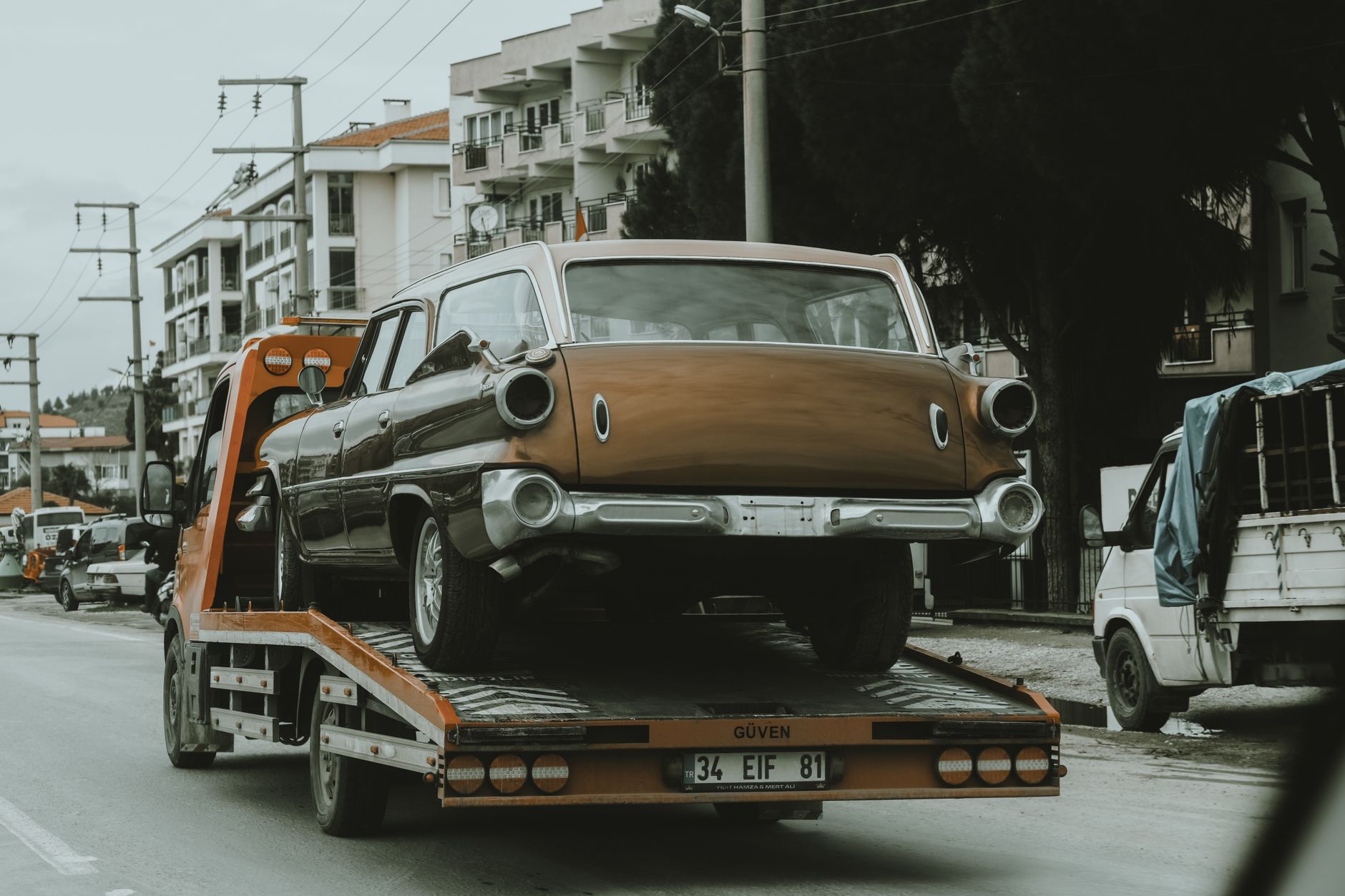
After payment is complete, the buyer receives pickup or release instructions. In many cases, the vehicle must be removed within a set timeframe, so transportation planning should happen before bidding. Some buyers arrange a trailer or carrier, while others coordinate delivery through a transport provider.
Paperwork follows the sale and is handled according to the vehicle’s title status and auction rules. That can include release documents, invoice records, title transfer steps, and any seller-specific forms needed to complete the transaction. Buyers should keep copies of everything for their records and contact the auction team if they have questions about timing or documentation. If you need help with a specific vehicle, reach out to the auction team with your questions before sale day so there are no surprises later.
Common questions buyers and sellers ask about the vehicle auction lifecycle
A common question is whether auction vehicles are always damaged or high-risk. The answer is no. The inventory can range from light-use fleet units to repossessions, trade-ins, and commercial vehicles, so the condition varies widely. That is why details, photos, and sale terms matter so much.
Another frequent question is whether sellers give up control once a vehicle is consigned. In most cases, the seller works with the auction on pricing strategy, title readiness, and sale terms before the vehicle is listed. Buyers and sellers both benefit when expectations are clear from the start. Knowing how the process works can make the experience feel less uncertain and more manageable.
- Are all auction vehicles rough-condition units?
- How long does payment and pickup take?
- What paperwork is needed for title transfer?
- Can private sellers consign vehicles too?
How Jeff Martin Auctioneers helps buyers and sellers move with confidence
The best auction experiences are built on clear communication, organized listings, and consistent support. Jeff Martin Auctioneers focuses on making the process understandable for first-time bidders, returning buyers, dealers, and sellers who need a dependable marketplace. That means practical information, transparent expectations, and a team that helps you move from interest to action without confusion.
Whether you are buying a vehicle, offloading inventory, or exploring how to participate in an upcoming sale, Jeff Martin Auctioneers can help you take the next step with confidence. Start by reviewing current auction opportunities, or use the contact page to ask about selling, bidding, or registration.
Frequently Asked Questions
Do all cars go to auction because they are damaged?
No. Vehicles can go to auction for many reasons, including repossession, fleet rotation, government surplus, dealer trade-ins, and private consignment. Condition varies by source, so it is important to review each listing carefully.
What should I do before bidding on a vehicle at auction?
Review the listing, photos, sale terms, and available condition details. If the auction allows pre-sale inspection or preview, use that opportunity. You should also understand payment timing, buyer fees, and pickup requirements before you bid.
How long do I have to pick up a winning vehicle?
Pickup timelines depend on the auction’s terms and the vehicle’s location. In most cases, the buyer must remove the vehicle within a specified window after payment clears, so transportation should be arranged in advance.
Can I sell my car through auction too?
Yes. Private owners, dealers, and fleet operators often use auction to reach qualified buyers. If you want to sell, contact Jeff Martin Auctioneers to learn how consignment and seller support work for your vehicle type.